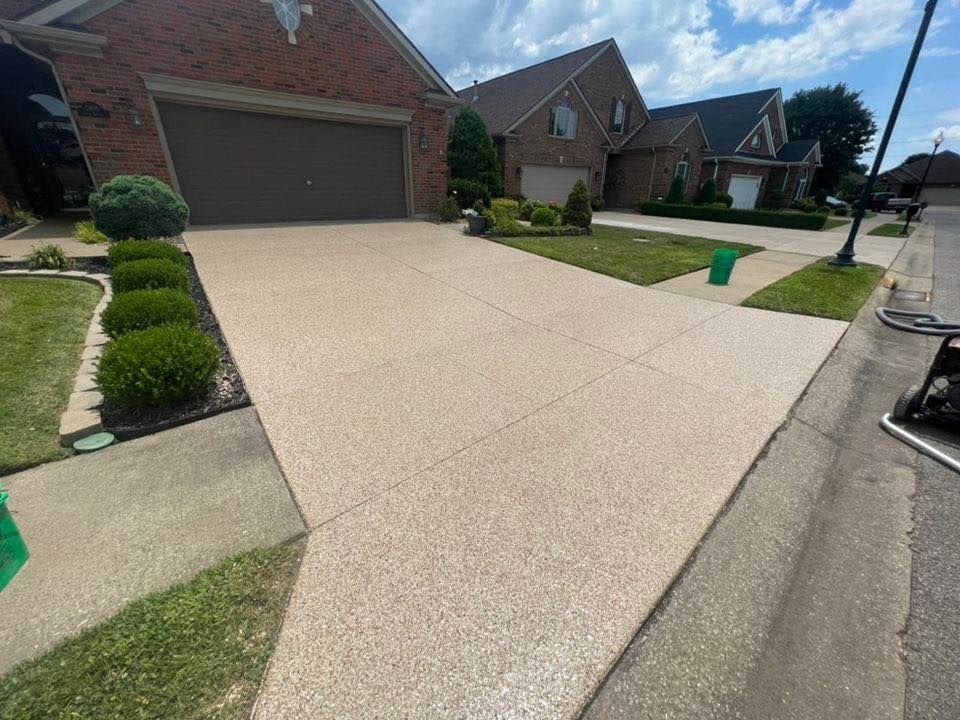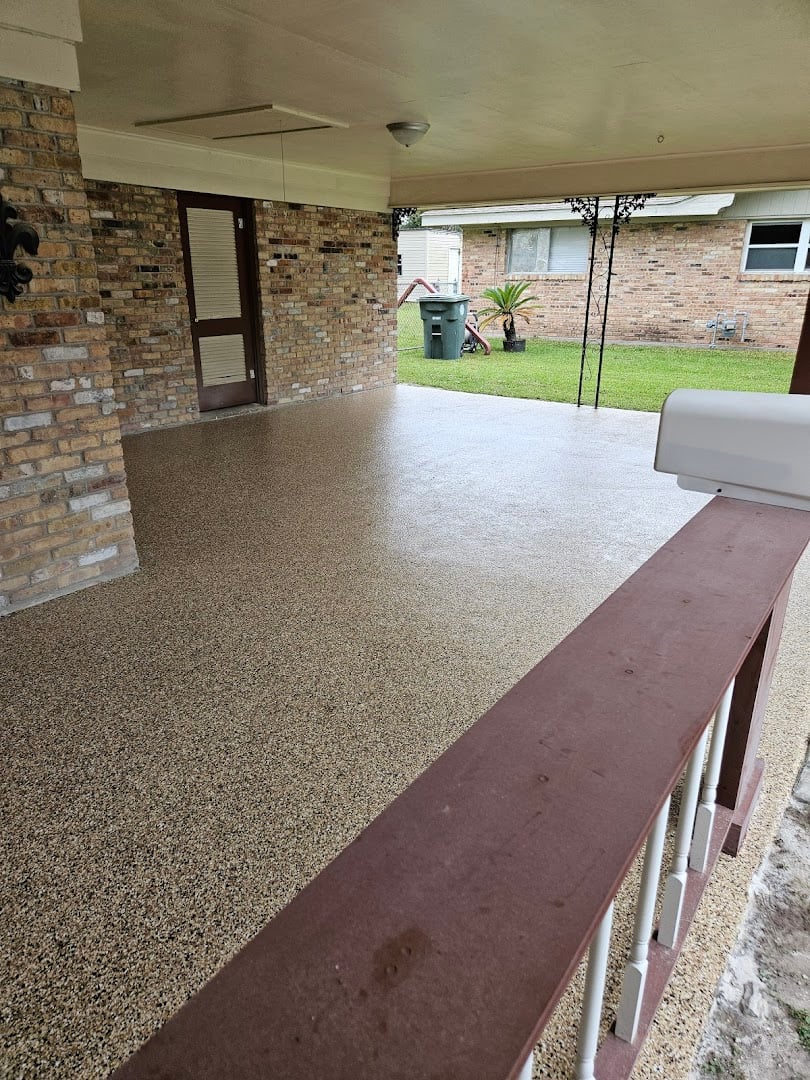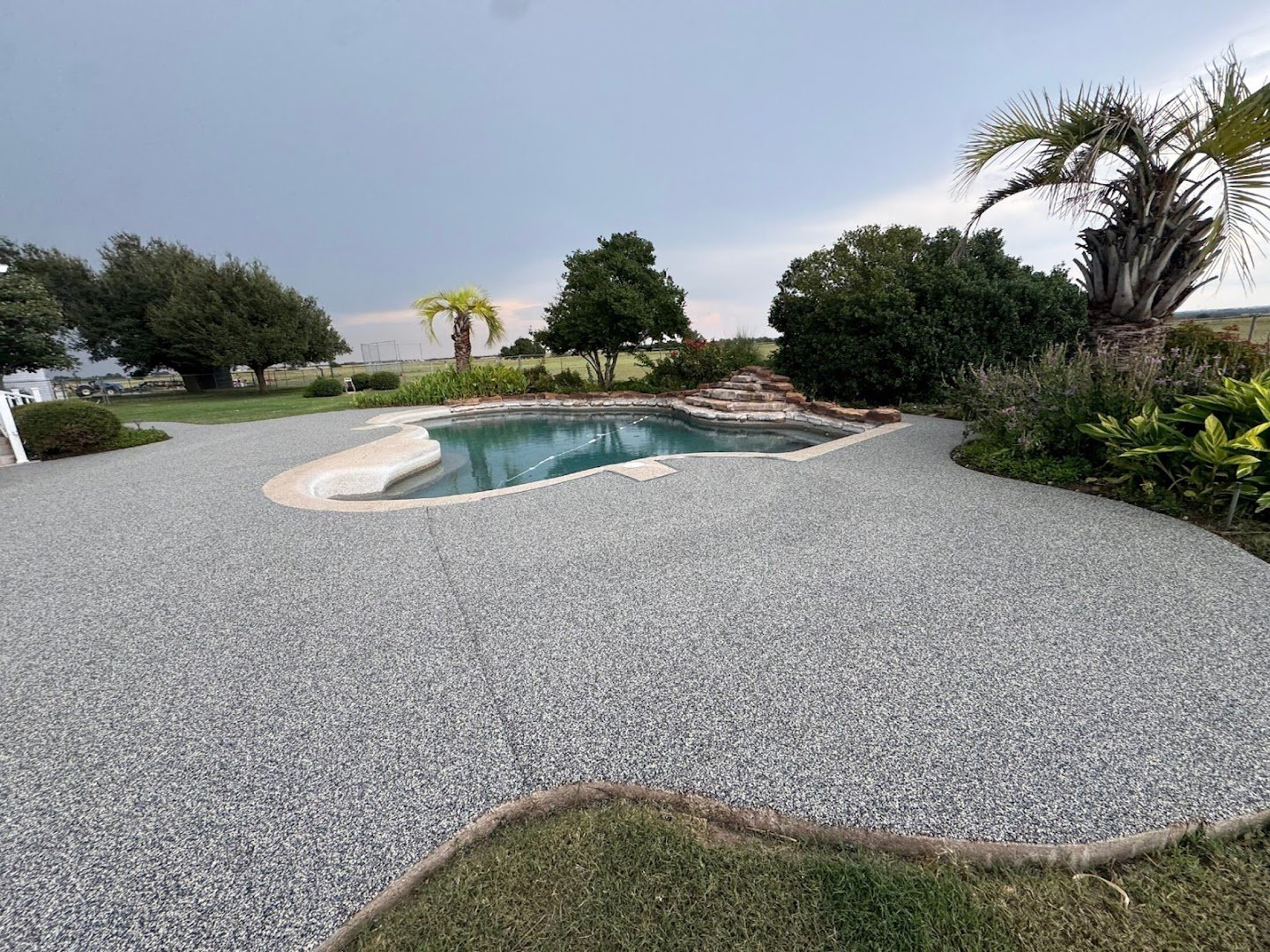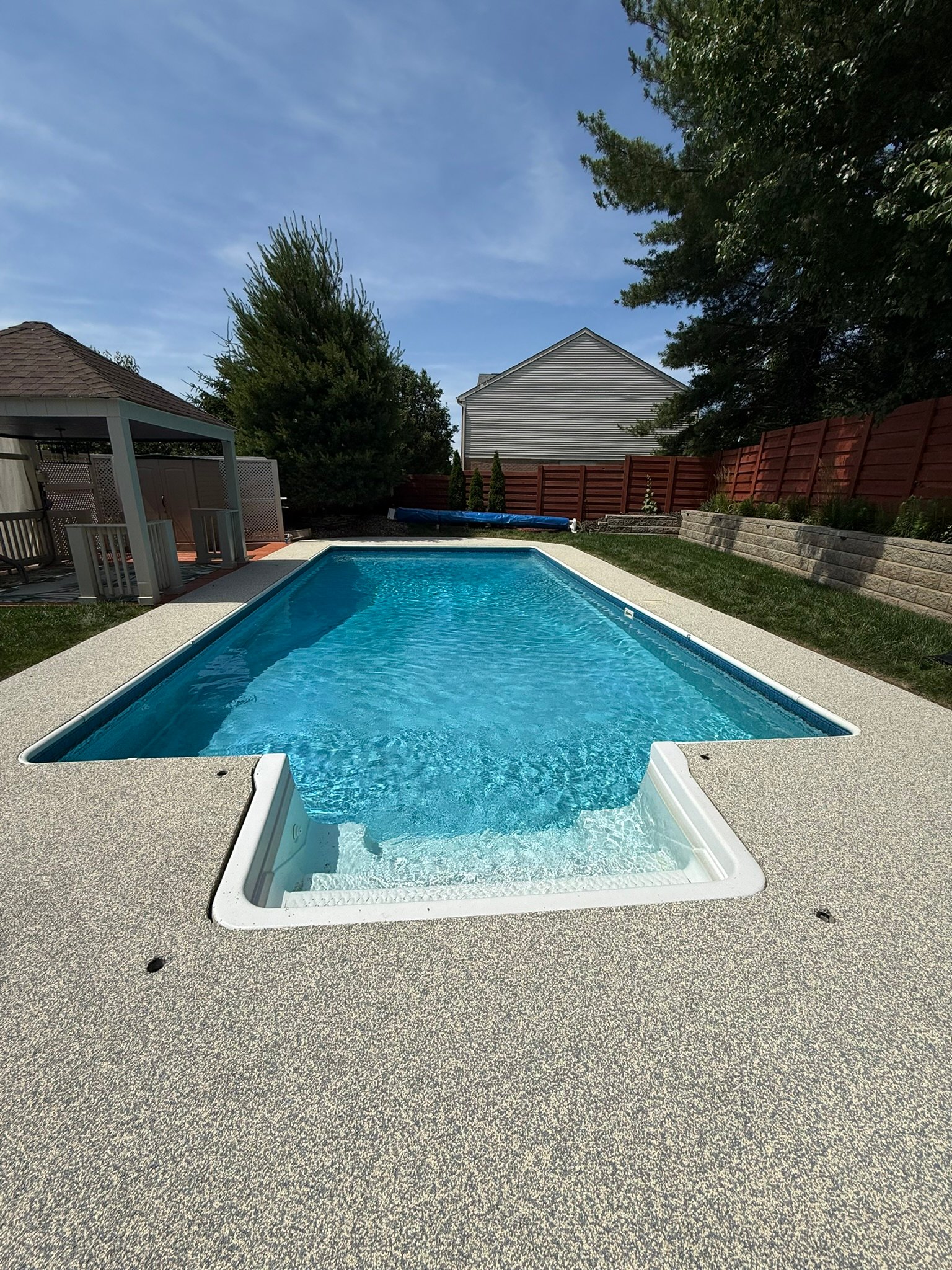
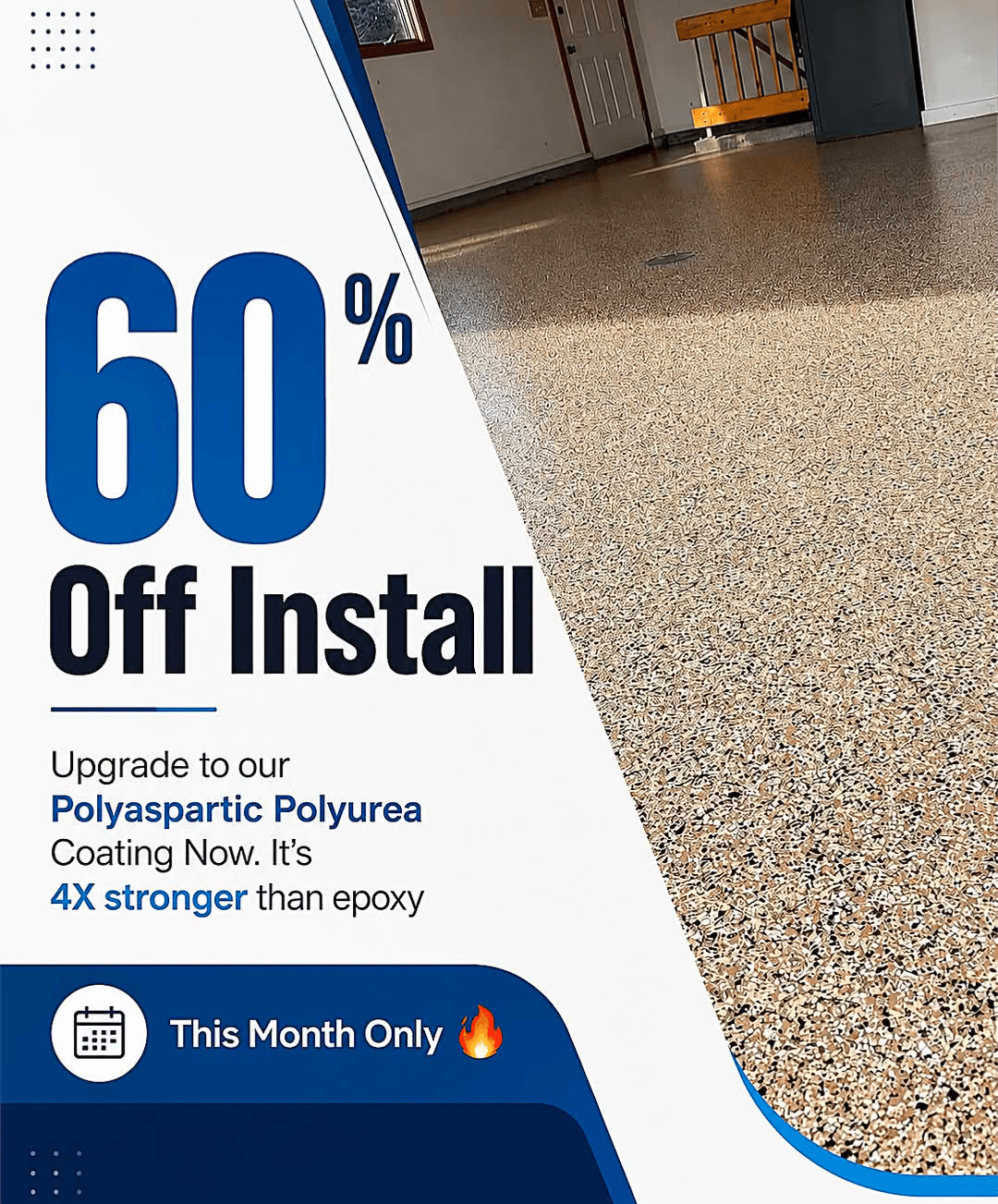
When considering a durable, long-lasting coating for your garage, basement, patio, or even pool deck, you've likely come across two prominent options: polyurea and epoxy. Both offer significant improvements over bare concrete, but understanding the nuances of polyurea versus epoxy is crucial for making the best choice for your specific needs. At Ninja Coatings, we believe in empowering our clients with knowledge, helping them navigate the technical aspects of floor coatings.
This Q&A post aims to demystify these materials, addressing common questions and shedding light on their respective strengths and weaknesses. We'll delve into what makes each coating unique, so you can feel confident in selecting the ideal solution to protect and enhance your surfaces for years to come.
Frequently Asked Questions About A Comprehensive Guide to Floor Coatings
What are the negatives of polyurea?
While polyurea is celebrated for its superior durability and flexibility, it's important to understand its potential drawbacks. One primary negative is the application process. Polyurea cures very quickly, which means it requires experienced professionals with specialized equipment to apply it correctly. This rapid curing time leaves little room for error, making DIY application challenging and often leading to suboptimal results.
Another consideration is the cost. Generally, polyurea coatings can have a higher initial material cost compared to traditional epoxy systems. However, it's crucial to weigh this against its extended lifespan and reduced maintenance needs, which often make it a more cost-effective solution in the long run. Polyurea also has a strong odor during application, necessitating good ventilation. While it's an incredibly robust material, understanding these aspects ensures you have a complete picture before making an investment in your property's surfaces, whether for a garage floor, basement, or outdoor patio.
Is polyurea really better than epoxy?
The question of whether polyurea is "better" than epoxy isn't a simple yes or no; it largely depends on the specific application, environment, and priorities. However, in many critical performance areas, polyurea often outperforms epoxy, making it a preferred choice for advanced floor coating systems.
- Durability and Flexibility: Polyurea is significantly more flexible than epoxy. This flexibility allows it to withstand extreme temperature fluctuations without cracking or peeling, making it ideal for outdoor applications like patios and pool decks, or unheated garages. It also offers superior impact and abrasion resistance.
- Curing Time: Polyurea cures much faster than epoxy, often allowing for return to service in as little as 24 hours, compared to several days for epoxy. This minimizes disruption to your daily life.
- UV Stability: Unlike many epoxy systems that can yellow or chalk when exposed to UV light, polyurea is highly UV stable, maintaining its color and finish over time, which is a huge advantage for driveways, walkways, and other sun-exposed areas.
- Chemical Resistance: Both offer good chemical resistance, but polyurea often has a broader resistance profile.
While epoxy is a strong, cost-effective option for many indoor applications, polyurea's enhanced flexibility, rapid cure time, and UV stability often make it the superior choice for high-performance, long-lasting coatings, particularly in challenging environments. For a truly robust and enduring finish, Ninja Coatings often recommends polyurea-based systems due to these advanced properties.
What is the strongest garage floor coating?
When it comes to the strongest garage floor coating, polyurea-based systems, particularly those with multiple layers including a polyurea basecoat and topcoat, typically take the lead. While epoxy coatings are strong and durable, polyurea offers a combination of properties that make it exceptionally resilient in the demanding environment of a garage.
- Impact Resistance: Polyurea can withstand heavy impacts from dropped tools, car jacks, and other garage equipment without chipping or cracking, thanks to its inherent flexibility.
- Abrasion Resistance: It stands up incredibly well to the constant wear and tear from vehicle traffic, foot traffic, and even dragging items across the floor.
- Chemical Resistance: Garage floors are exposed to oil, grease, gasoline, and other automotive fluids. High-quality polyurea systems provide excellent resistance to these chemicals, preventing stains and damage.
- Temperature Fluctuations: Garages can experience significant temperature swings. Polyurea's flexibility allows it to expand and contract with the concrete, preventing delamination and cracking that can plague more rigid coatings like epoxy in such conditions.
A professionally installed, multi-layer polyurea system is widely considered the strongest and most durable option for a garage floor, offering unparalleled protection and longevity against the harshest conditions.
Is polyuria stronger than epoxy?
Assuming the question refers to "polyurea" (a common misspelling of the material), the answer is generally yes, polyurea is stronger and more robust than traditional epoxy in several key performance metrics. While epoxy provides a hard, durable surface, polyurea surpasses it in areas critical for long-term performance and resilience.
- Tensile Strength and Flexibility: Polyurea boasts superior tensile strength combined with much greater flexibility. This means it can absorb impacts and accommodate concrete movement without cracking, a common issue with more rigid epoxy coatings.
- Abrasion Resistance: Polyurea typically offers higher resistance to abrasion, making it better equipped to handle heavy foot traffic, vehicle wear, and the movement of heavy objects without showing signs of wear.
- Chemical Resistance: While both are chemical resistant, polyurea often provides a broader spectrum of resistance to various harsh chemicals, oils, and solvents.
- UV Stability: A significant advantage of polyurea is its inherent UV stability, meaning it won't yellow, fade, or become brittle when exposed to sunlight, unlike many epoxy formulations. This makes it ideal for both indoor and outdoor applications, from garage floors to driveways and walkways.
In essence, polyurea's combination of strength, flexibility, and resistance to environmental factors makes it a more advanced and often superior choice for demanding applications where longevity and performance are paramount.
Understanding the differences between polyurea versus epoxy is the first step towards a beautiful, durable floor. Whether you're considering a new coating for your garage, basement, patio, or pool deck, the experts at Ninja Coatings are here to help. We offer free, no-obligation consultations to discuss your specific project and recommend the best polyurea-based solution for your needs.
Ready to transform your space with a high-performance coating? Get a free quote from Ninja Coatings today and experience the difference that quality and expertise make!