When considering a durable, long-lasting finish for your garage, basement, patio, or other concrete surfaces, you've likely come across two popular options: polyaspartic and epoxy floor coatings. Both offer significant improvements over bare concrete, providing protection, aesthetics, and ease of maintenance. However, they are not interchangeable, and understanding their differences is crucial for making the best choice for your specific needs.
This comprehensive Q&A post aims to demystify the debate of polyaspartic vs epoxy floor coatings. We'll tackle some of the most common questions people ask, offering insights into their characteristics, performance, and cost considerations. Our goal is to equip you with the knowledge to confidently decide which coating system is right for your project, turning your vision into a reality.
Frequently Asked Questions About Your Ultimate Q&A Guide
What are the disadvantages of polyaspartic coating?
While polyaspartic coatings offer numerous advantages, it's important to be aware of their potential drawbacks to make an informed decision:
- Fast Cure Time: Polyaspartic cures very quickly, which is a benefit for project turnaround but can be a disadvantage during application. It requires experienced installers to work efficiently and precisely, as there's a limited window for manipulation once mixed. This makes it less suitable for DIY projects unless you have significant prior experience.
- Higher Material Cost: Generally, the raw materials for polyaspartic coatings are more expensive than those for traditional epoxy. This higher material cost can translate to a higher overall project price, although the long-term durability and faster installation might offset this.
- Strong Odor During Application: Like many industrial coatings, polyaspartic can emit strong odors during the application process. While these fumes dissipate once cured, proper ventilation is essential during installation.
- Less Forgiving for DIY: Due to its rapid cure and specific application requirements, polyaspartic is less forgiving for mistakes compared to epoxy. Professional installation is highly recommended to ensure a flawless and long-lasting finish.
- Surface Preparation is Critical: As with any high-performance coating, the success of a polyaspartic floor heavily relies on meticulous surface preparation. Any moisture, oil, or imperfections on the concrete can compromise adhesion and the coating's longevity. This isn't unique to polyaspartic but is a critical step that cannot be overlooked.
Understanding these points helps set realistic expectations and emphasizes the value of professional installation for optimal results.
Is polyaspartic really better than epoxy?
The question of whether polyaspartic is “better” than epoxy isn't a simple yes or no; it largely depends on the specific application, environmental conditions, and desired performance characteristics. Both are excellent choices for concrete protection, but they excel in different areas.
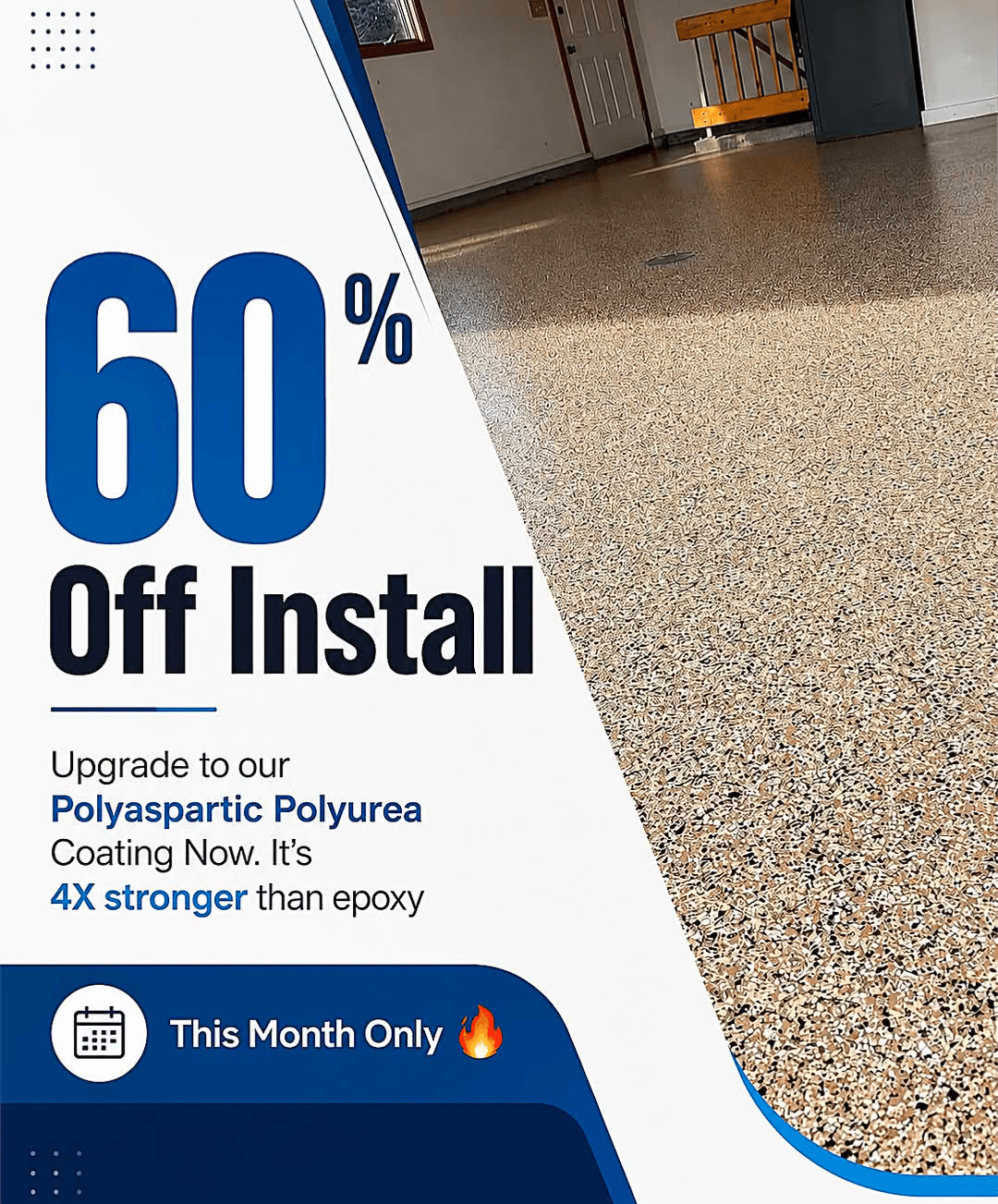
- Durability & Performance: Polyaspartic generally outperforms traditional epoxy in several key areas. It offers superior resistance to UV yellowing, meaning it won't fade or discolor when exposed to sunlight, making it ideal for outdoor applications like patios and driveways, or areas with large windows. Polyaspartic is also more flexible, making it less prone to cracking or chipping from impacts or concrete movement. It boasts higher abrasion and chemical resistance, standing up better to hot tires, oils, chemicals, and heavy foot traffic.
- Cure Time & Installation: Polyaspartic cures significantly faster than epoxy, often allowing for a multi-coat system to be applied and ready for light use within a single day. This rapid turnaround minimizes downtime, which is a huge advantage for busy homeowners. Epoxy, on the other hand, typically requires 24 hours or more between coats and several days to fully cure. However, epoxy's longer working time can make it more forgiving for experienced DIYers.
- Temperature Versatility: Polyaspartic can be applied in a wider range of temperatures, including colder conditions, making it a more versatile option for year-round installation in various climates. Epoxy has a more limited application temperature range.
- Cost: Epoxy generally has a lower material cost than polyaspartic. However, when considering the total project cost, including labor and the long-term benefits of polyaspartic's durability and faster installation, the initial price difference can often be justified.
Ultimately, for applications requiring maximum durability, UV stability, chemical resistance, and a quick return to service, polyaspartic often presents a superior solution. For projects with budget constraints where UV exposure isn't a major concern, or where a longer installation window is acceptable, high-quality epoxy can still be an excellent choice. Ninja Coatings specializes in both and can help you determine the best fit for your specific project.
What is the average cost of polyaspartic coating on a 210 square foot outdoor patio in Arizona?
Providing an exact average cost for a polyaspartic coating on a 210 square foot outdoor patio in Arizona is challenging without a detailed assessment, as pricing varies significantly based on several factors. It's important to understand that a generalized 'average' might not accurately reflect the cost for your specific project.
- Surface Preparation: The condition of your existing concrete patio is a major cost driver. Extensive cleaning, crack repair, patching, grinding, or leveling will add to the overall cost. A smooth, well-prepared surface is crucial for a lasting finish.
- System Complexity: The number of coats, the inclusion of decorative flakes, anti-slip additives, or custom designs will influence the material and labor costs. A multi-layer system with broadcast flakes will naturally be more expensive than a single-color, single-coat application.
- Material Quality: Not all polyaspartic products are created equal. High-performance, commercial-grade materials will cost more but offer superior durability and longevity.
- Installer Expertise: Professional installation, particularly with a fast-curing material like polyaspartic, ensures proper application and a long-lasting result. Labor rates vary by region and the installer's experience and reputation.
- Access and Project Specifics: Factors like ease of access to the patio, any intricate edges or steps, and the need for specialized equipment can also impact the final price.
Given these variables, we cannot provide a specific number here. For an accurate estimate tailored to your 210 square foot outdoor patio in Arizona, we highly recommend obtaining a personalized, free quote from a reputable local contractor who can assess your specific site and discuss your desired finish.
How much does it cost to epoxy a 1000 square foot floor?
Estimating the cost to epoxy a 1000 square foot floor involves many variables, making it impossible to give a precise figure without a detailed project evaluation. The cost can fluctuate widely based on the type of epoxy, the condition of the concrete, and the complexity of the desired finish.
- Type of Epoxy: There are different grades and types of epoxy, such as 100% solids epoxy, water-based epoxy, and solvent-based epoxy, each with varying material costs and performance characteristics. Decorative options like metallic epoxies or those with broadcast flakes will also increase the price.
- Surface Preparation: The most critical factor for any coating project is the preparation of the concrete. For a 1000 square foot floor, significant time and effort might be needed for cleaning, degreasing, repairing cracks or spalling, and grinding the surface to ensure proper adhesion. The more extensive the prep work, the higher the cost.
- Number of Coats: A basic system might involve a primer and one or two topcoats. More robust systems, especially for high-traffic areas or those requiring specific aesthetics, may include multiple color coats, flake broadcasts, and clear topcoats, increasing material and labor.
- Decorative Elements: Adding color flakes, custom patterns, or metallic pigments will enhance the look but also add to the material and labor costs.
- Labor and Installation: Professional installation ensures proper mixing, application, and curing, which is vital for the longevity of an epoxy floor. Labor rates vary based on location, the installer's experience, and the complexity of the job. While DIY is an option for some, professional results often justify the investment.
Due to these numerous influencing factors, we cannot provide a specific cost. To get an accurate estimate for your 1000 square foot epoxy floor project, it's best to consult with a professional coating company. They can assess your specific needs, inspect the concrete, and provide a detailed, free quote.
Choosing the right floor coating for your home is a significant decision, and we hope this Q&A has clarified some of the key differences between polyaspartic and epoxy floor systems. Whether you're considering a garage floor, basement, patio, or pool deck, understanding these options is the first step towards a beautiful and durable finish.
Ready to transform your concrete surfaces? Don't hesitate to reach out to Ninja Coatings for expert advice and a personalized solution. We offer free, no-obligation quotes to help you explore the best coating options for your specific project. Get your free quote today!