When it comes to upgrading your home's surfaces, especially high-traffic areas like garages, basements, or patios, you've likely encountered terms like polyaspartic and epoxy. Among the most popular and visually striking options is the polyaspartic flake system, known for its incredible durability and customizable aesthetics. However, with so many choices and technical terms, it's natural to have questions.
At Ninja Coatings, we believe in empowering our clients with knowledge. This comprehensive Q&A post aims to demystify polyaspartic flake coatings, addressing some of the most common inquiries we receive. We'll dive into how polyaspartic stacks up against epoxy, explore potential considerations, and explain the benefits of incorporating decorative flakes into your floor system, helping you make informed decisions for your next home improvement project.
Frequently Asked Questions About Your Top Questions Answered
Is polyaspartic better than epoxy?
While both polyaspartic and epoxy are excellent choices for protective floor coatings, polyaspartic generally offers several key advantages that often lead to it being considered a superior option, especially for demanding environments like garage floors. The term 'better' often depends on the specific application and priorities, but here’s a breakdown of polyaspartic's strengths:
- Faster Cure Time: Polyaspartic cures significantly faster than epoxy, often allowing for return to service in a matter of hours rather than days. This means less downtime for your space.
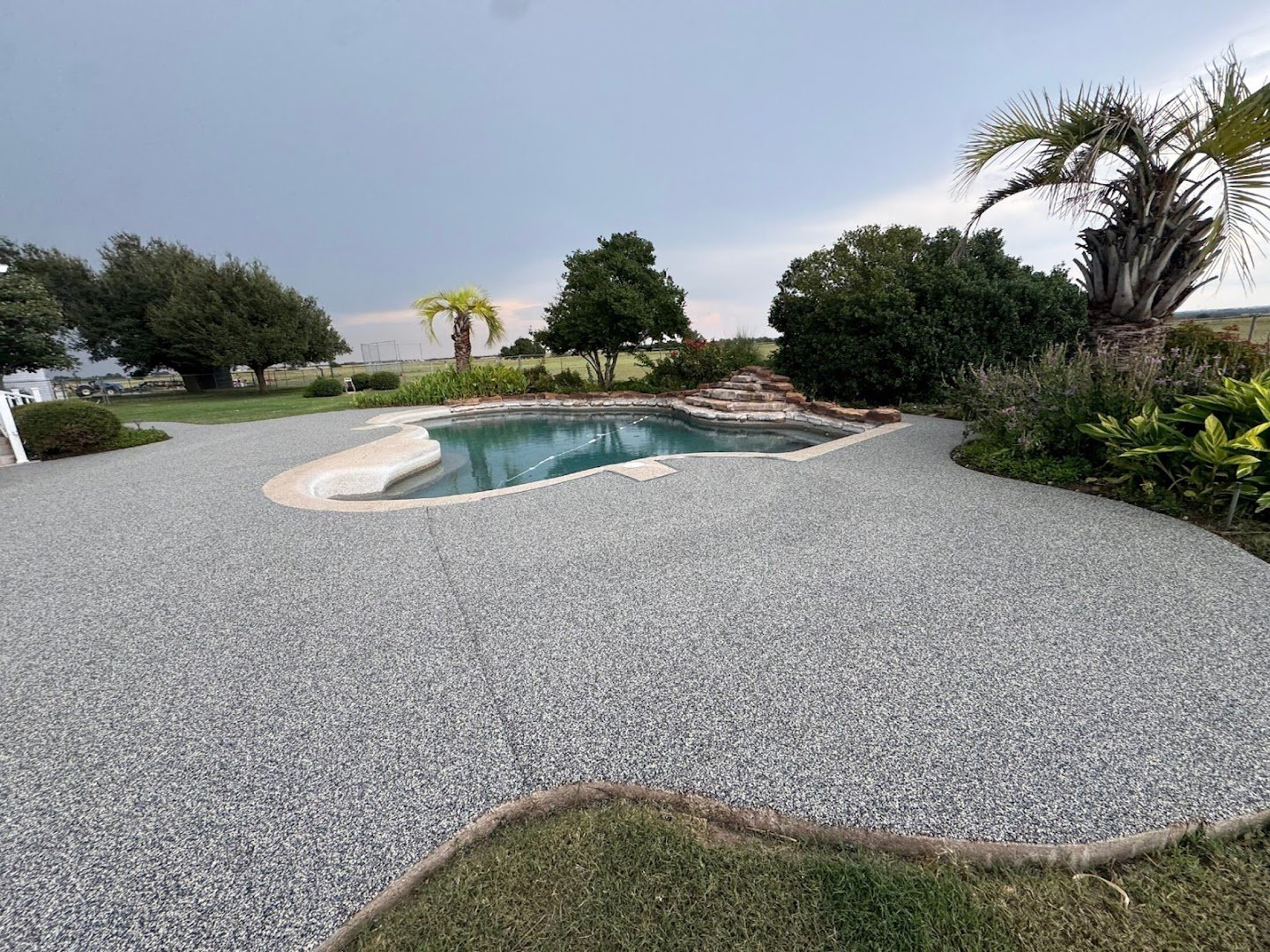
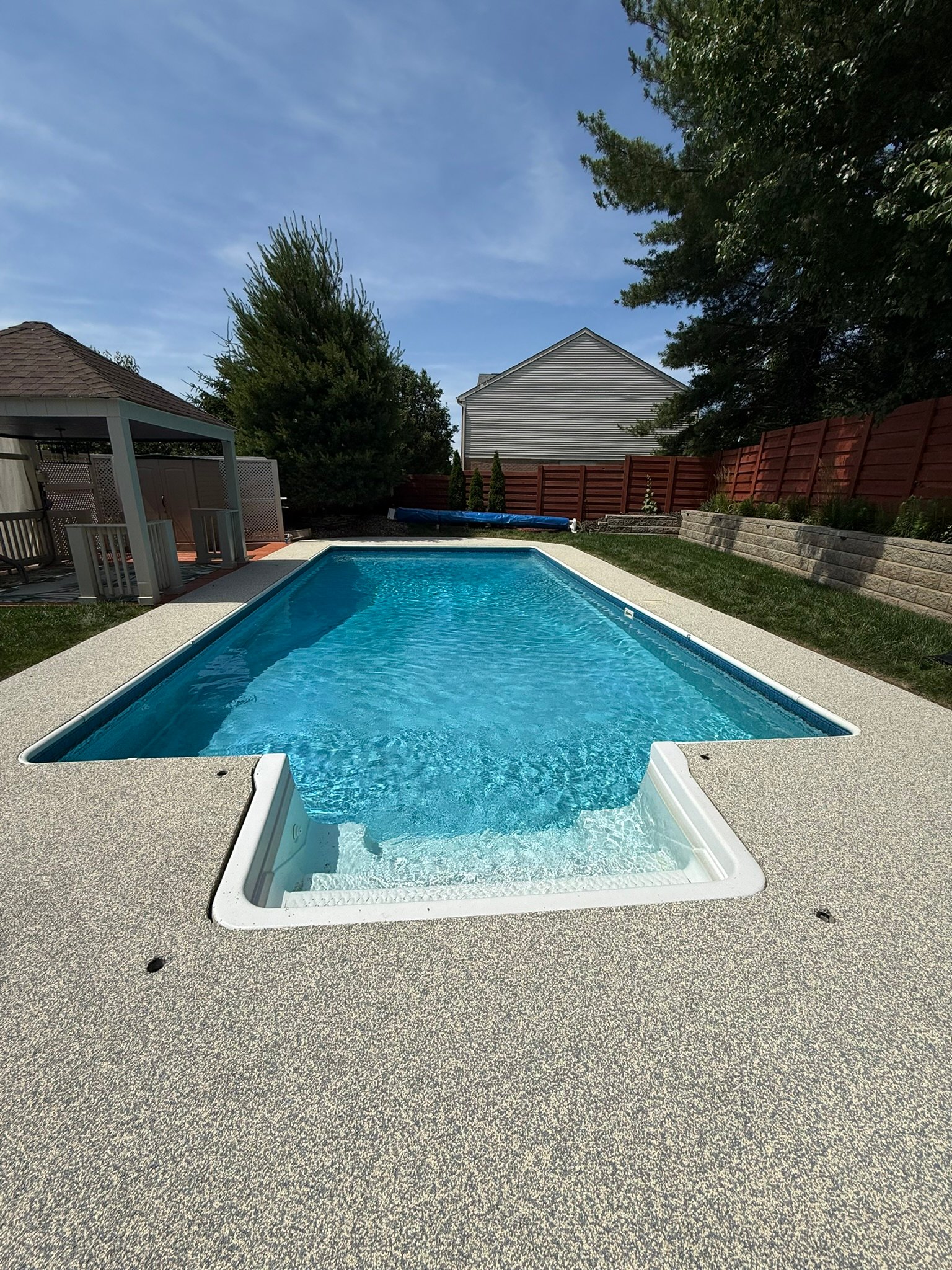
- UV Stability: Unlike traditional epoxy, polyaspartic is UV stable, meaning it won't yellow or amber when exposed to sunlight. This makes it ideal for outdoor applications like patios and pool decks, as well as sun-exposed garage floors.
- Flexibility and Durability: Polyaspartic is more flexible than epoxy, giving it superior resistance to impacts, abrasions, and chemicals. This flexibility helps prevent chipping and cracking from dropped tools or heavy vehicle traffic.
- Temperature Versatility: Polyaspartic can be applied in a much wider range of temperatures, from very cold to very hot, making it a more versatile option for year-round installation in various climates.
- Adhesion: It boasts excellent adhesion properties, creating a strong bond with the concrete substrate.
While epoxy is a robust and cost-effective solution, particularly for areas not exposed to direct sunlight or extreme conditions, polyaspartic's advanced properties often make it the preferred choice for those seeking the highest level of performance, longevity, and aesthetic retention. At Ninja Coatings, we often utilize polyaspartic as a topcoat over an epoxy base, or as a full polyaspartic system, to combine the best attributes for a truly outstanding floor.
What is the problem with polyaspartic garage floor coating?
While polyaspartic garage floor coatings offer numerous benefits, it's important to understand potential considerations, which are often less about inherent 'problems' with the material itself and more about installation requirements or specific expectations. Here are a few points to consider:
- Faster Cure Time Requires Expertise: The rapid cure time of polyaspartic, while a benefit for quick return to service, means installers must work quickly and efficiently. This makes DIY application challenging and emphasizes the need for experienced professionals. If not applied correctly and swiftly, issues like roller marks or uneven finishes can occur.
- Higher Material Cost: Polyaspartic materials can have a higher upfront cost compared to traditional epoxy. However, this initial investment is often offset by its superior durability, UV stability, and longer lifespan, leading to better long-term value and reduced need for repairs or recoating.
- Odor During Application: Like many high-performance coatings, polyaspartic can emit a strong odor during the application and curing process. Proper ventilation is crucial during installation, and the smell typically dissipates once cured.
- Surface Preparation is Critical: As with any high-quality floor coating, meticulous surface preparation is paramount. Any shortcuts in grinding, cleaning, or repairing the concrete can lead to adhesion issues, regardless of how good the polyaspartic material is. This isn't a problem with polyaspartic specifically, but a universal requirement for a successful coating system.
Ultimately, most 'problems' associated with polyaspartic coatings can be mitigated or avoided entirely by choosing a reputable and experienced professional installer like Ninja Coatings. Our expertise ensures proper surface preparation, efficient application, and a flawless finish that maximizes the material's inherent advantages.
How to fix epoxy flake floor?
Fixing an epoxy flake floor depends heavily on the type and extent of the damage. Common issues include delamination (peeling), chipping, excessive wear, or yellowing of the topcoat. Here's a general approach to addressing these problems:
- Assess the Damage: First, identify the root cause. Is it a small chip from a dropped item, widespread peeling due to poor adhesion, or general wear and tear?
- Small Chips or Scratches: For minor damage, the area can often be cleaned, lightly sanded, and then patched with a compatible clear epoxy or polyaspartic topcoat. Matching the original flakes can be tricky but is sometimes possible by carefully broadcasting new flakes into the wet patch before applying the topcoat.
- Delamination (Peeling): This is a more serious issue, often indicating poor surface preparation or moisture problems. Small areas of peeling can sometimes be cut out, the underlying concrete re-prepped, and a new patch applied. For widespread delamination, a full re-grind and re-application of the entire floor system is usually necessary to ensure long-term durability.
- Wear and Yellowing: If the topcoat is worn or has yellowed (common with traditional epoxy exposed to UV), the existing topcoat can often be lightly abraded, thoroughly cleaned, and then a new, UV-stable clear topcoat (often polyaspartic) can be applied. This revitalizes the appearance and adds a fresh layer of protection.
Attempting DIY repairs without proper knowledge of the original system or application techniques can sometimes worsen the problem. For lasting and effective repairs, especially for larger or more complex issues, it's highly recommended to consult with professionals like Ninja Coatings. We can accurately diagnose the problem, prepare the surface correctly, and apply the appropriate materials to restore your floor's integrity and appearance, potentially even upgrading it with a more durable polyaspartic topcoat.
Why do you put flakes on an epoxy floor?
Decorative flakes, also known as chips or broadcast media, are a popular and functional addition to epoxy and polyaspartic floor coating systems for several compelling reasons:
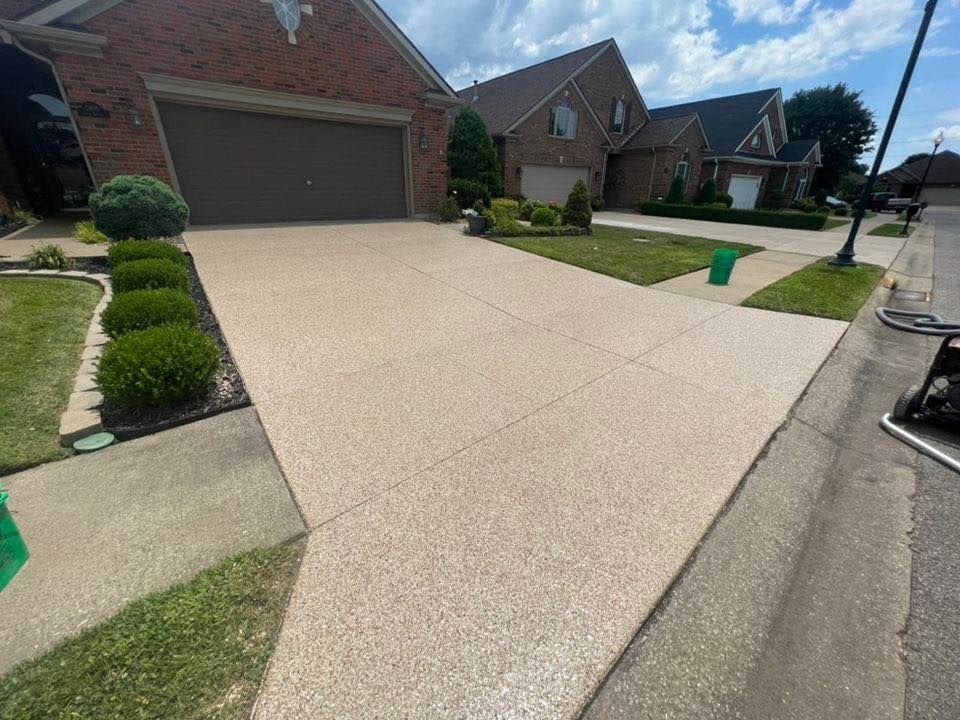
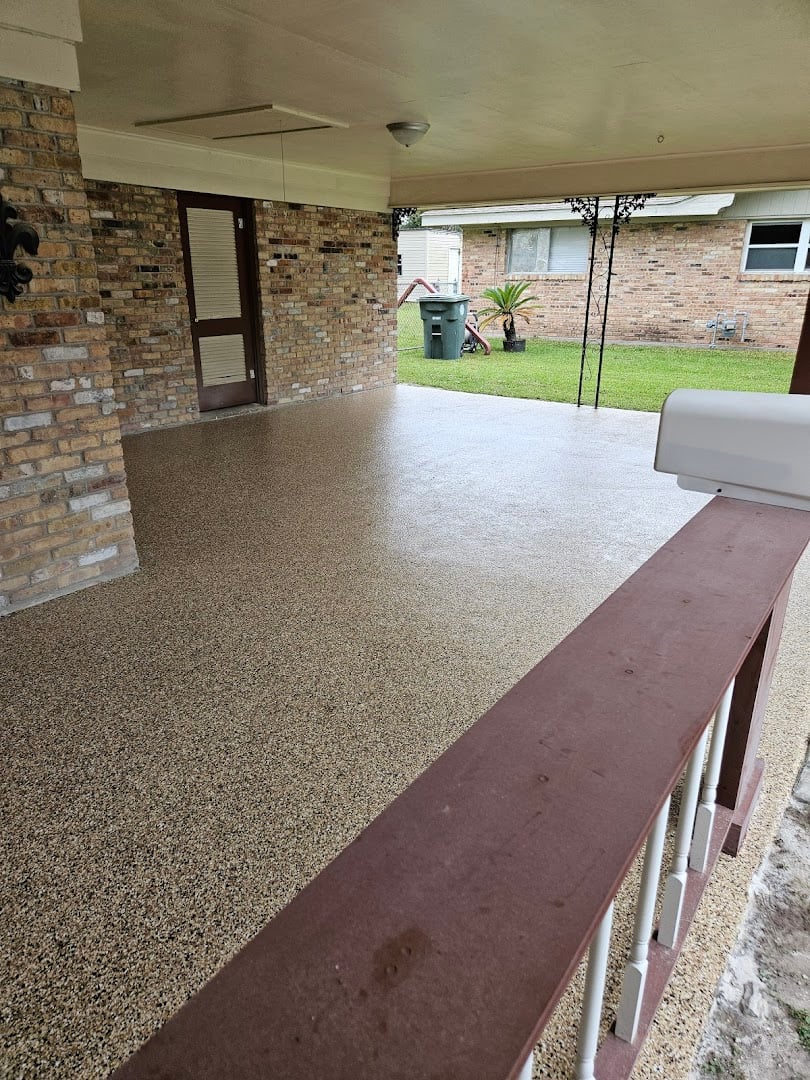
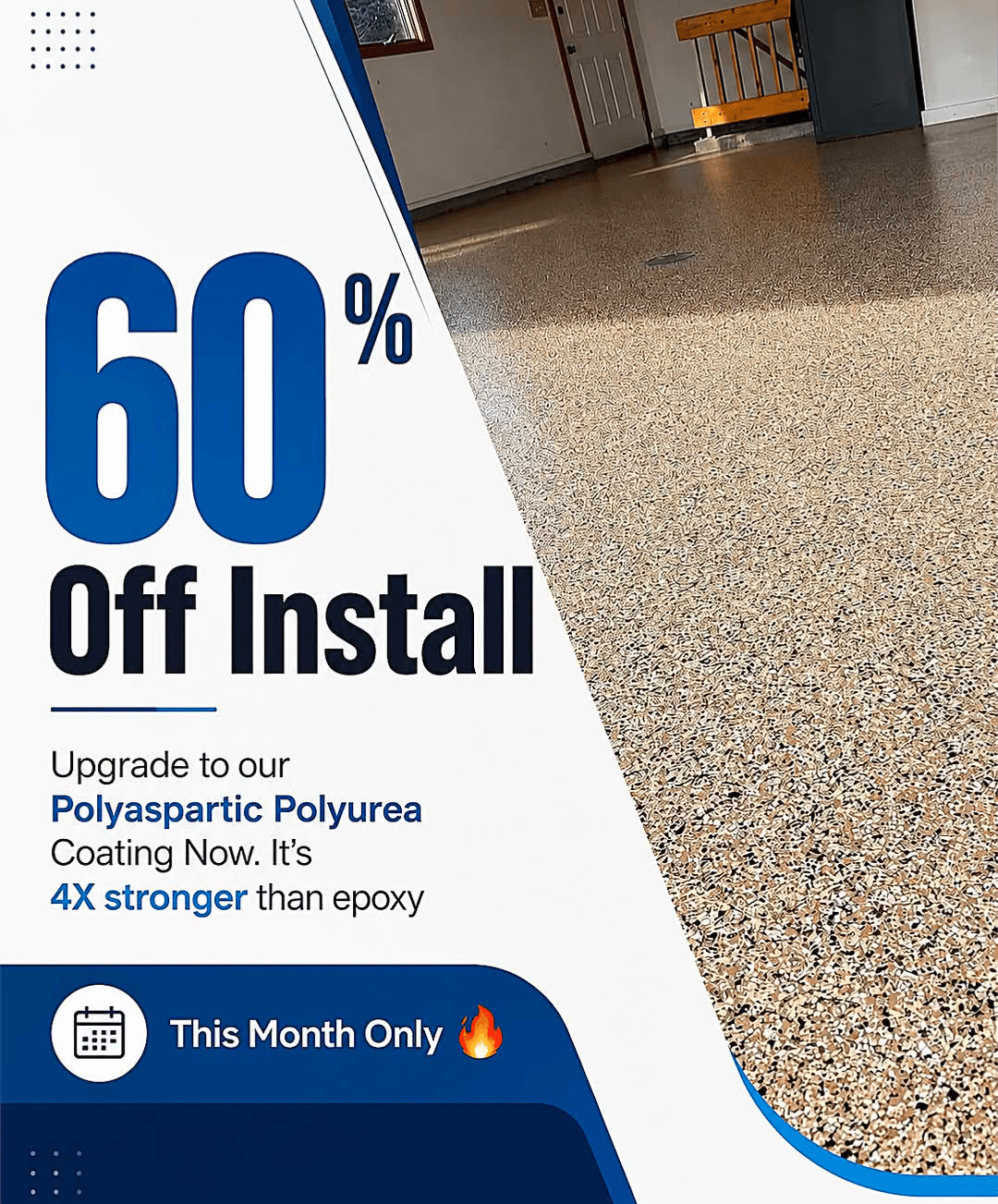
- Enhanced Aesthetics and Customization: Flakes come in a vast array of colors, sizes, and blends, allowing for endless customization. They can mimic the look of granite, terrazzo, or simply add a vibrant, unique pattern. This transforms a plain concrete slab into a visually appealing surface that complements any decor.
- Improved Slip Resistance: When broadcast into the wet base coat and then sealed with a clear topcoat, the flakes create a slightly textured surface. This texture significantly increases the floor's coefficient of friction, providing better grip and reducing the risk of slips and falls, especially in areas prone to moisture or spills like garages and basements.
- Hides Imperfections and Dirt: The multi-colored, textured appearance of a flake floor is excellent at camouflaging minor surface imperfections in the concrete, such as small cracks or divots. It also helps to hide dirt, dust, and tire marks, making the floor appear cleaner for longer periods between cleanings.
- Added Durability and Protection: While the primary protection comes from the epoxy or polyaspartic coating itself, the flakes contribute an additional layer of material that can enhance impact and abrasion resistance. They are fully encapsulated by the clear topcoat, protecting them from wear and tear.
- UV Stability (with proper topcoat): While traditional epoxy can yellow under UV light, using a UV-stable polyaspartic clear topcoat over the flakes ensures that the vibrant colors of the flakes remain true and don't fade or yellow over time, even in sun-exposed areas.
The process involves applying a colored base coat, broadcasting the flakes evenly onto the wet surface, allowing it to cure, and then scraping off any excess flakes before encapsulating them with a durable clear topcoat. This creates a beautiful, resilient, and safe flooring solution.
Understanding the nuances of polyaspartic flake coatings can help you make the best decision for your home. If you're considering a new floor coating for your garage, basement, patio, or any other area, remember that professional installation is key to unlocking the full potential of these advanced materials.
Ready to transform your space with a durable, beautiful, and long-lasting floor? Contact Ninja Coatings today for personalized advice and a free quote. Our experts are here to help you choose the perfect coating system for your needs and ensure a flawless finish.