Quick Answer Polyaspartic and epoxy coatings are the best garage floor finishes for home workshops because they resist chemical spills, heavy tool traffic, and hot tire pickup. Polyaspartic cures faster and holds up better long-term, while epoxy offers a budget-friendly starting point. For Mobile, Alabama homeowners, hiring a professional garage floor coating contractor ensures proper surface prep and a finish that lasts for years.
Key Takeaways
- Polyaspartic coatings cure in as little as 24 hours and resist UV yellowing, making them ideal for active home workshops.
- Epoxy coatings offer strong chemical and impact resistance at a lower price point, but may require recoating sooner.
- Working with an experienced garage floor coating contractor matters more than the product itself—proper prep prevents peeling, bubbling, and premature wear.
Turning a garage into a functional home workshop takes more than a workbench and good lighting. The floor beneath your feet takes the brunt of the abuse: dropped tools, oil drips, hot tire marks, and constant foot traffic. A bare concrete slab won't hold up for long, which is why so many homeowners in Mobile, Alabama are searching for durable, attractive flooring solutions built for real use.
Choosing the right finish isn't just about looks. It's about durability, safety, and how much time you're willing to spend on maintenance down the road. This guide breaks down the top garage floor finishes for home workshops, explains how they compare, and helps you decide which one fits your space and budget.
What makes a garage floor finish suitable for a home workshop?
A home workshop floor takes a different kind of beating than a standard garage used just for parking. Between power tools, welding sparks, chemical solvents, and dropped equipment, the finish needs to handle a lot more than tire tracks. The best options share a few key traits:
- Chemical resistance: Oil, gasoline, and solvents shouldn't stain or degrade the surface.
- Impact resistance: Dropped tools and heavy equipment shouldn't chip or crack the coating.
- Slip resistance: A textured finish helps prevent falls, especially when the floor gets wet or dusty.
- Durability under heat: Hot tire pickup from vehicles parked after driving can lift weaker coatings over time.
With those factors in mind, two finishes consistently rise to the top: polyaspartic coatings and epoxy coatings.
Is polyaspartic coating better than epoxy for a garage workshop?
For most home workshops, polyaspartic coatings outperform traditional epoxy in almost every category except upfront cost. Polyaspartic coatings cure much faster than epoxy, often within 24 hours, which means less downtime for a busy workshop. They also resist UV rays without yellowing, hold up better against hot tire pickup, and tend to be more flexible, reducing the risk of cracking under heavy impact.
Epoxy still has its place. It's a proven, cost-effective option that provides solid chemical and abrasion resistance for garages with moderate use. However, epoxy can take several days to fully cure, and lower-quality formulations may amber or peel over time, especially in humid climates like Mobile's Gulf Coast weather.
Choose polyaspartic if your workshop sees daily use, heavy equipment, or direct sunlight exposure through an open garage door. Choose epoxy if you're working with a tighter budget and lighter workshop activity, such as hobby projects or occasional DIY repairs.
How much does a professional garage floor coating cost in Mobile, AL?
Pricing for garage floor coatings Mobile AL homeowners typically encounter depends on square footage, the type of coating selected, and how much surface prep the concrete requires. Cracked, pitted, or previously sealed concrete often needs grinding or diamond polishing before a new coating can properly bond, which adds to the overall cost.
While exact pricing varies by contractor and project scope, most professional installations fall within a mid-range investment when compared to other home improvement projects—especially considering the 10+ year lifespan a properly installed coating can provide. DIY kits are cheaper upfront but often lack the surface preparation, coating thickness, and topcoat protection that professional-grade systems include.
Why does surface preparation matter more than the coating itself?
Even the best coating will fail if it's applied to a poorly prepared surface. Concrete is porous, and any existing sealers, oil stains, or moisture trapped beneath the slab can prevent proper adhesion. This is one of the biggest reasons DIY garage floor projects peel or bubble within months of application.
A qualified garage floor coating contractor will grind or shot-blast the concrete to open its pores, repair any cracks or pits, and test for moisture before applying a single coat. This process takes longer than simply rolling paint over a swept floor, but it's the difference between a finish that lasts a few months and one that lasts a decade.
What's the best flooring option if my workshop deals with heavy machinery?
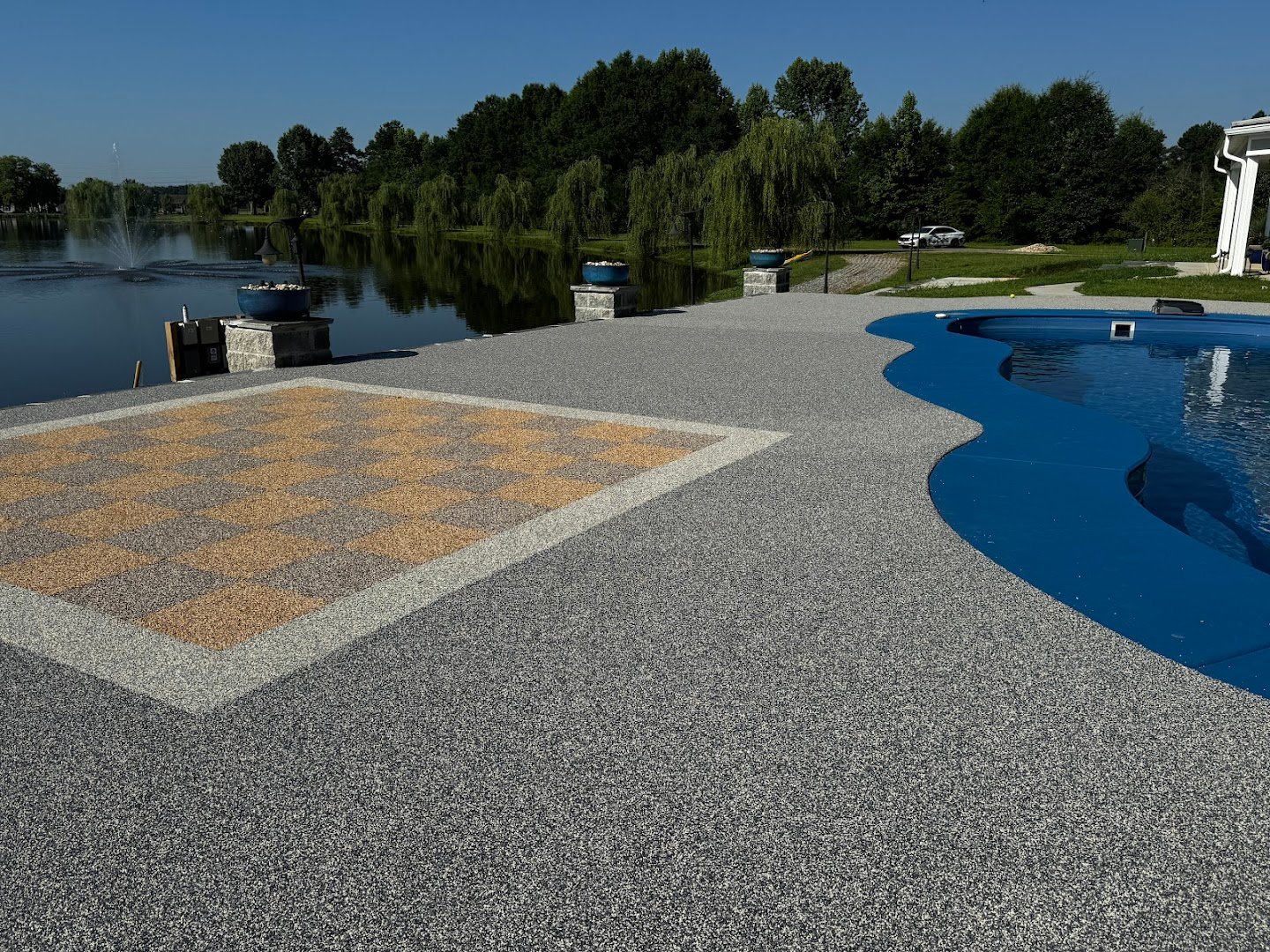
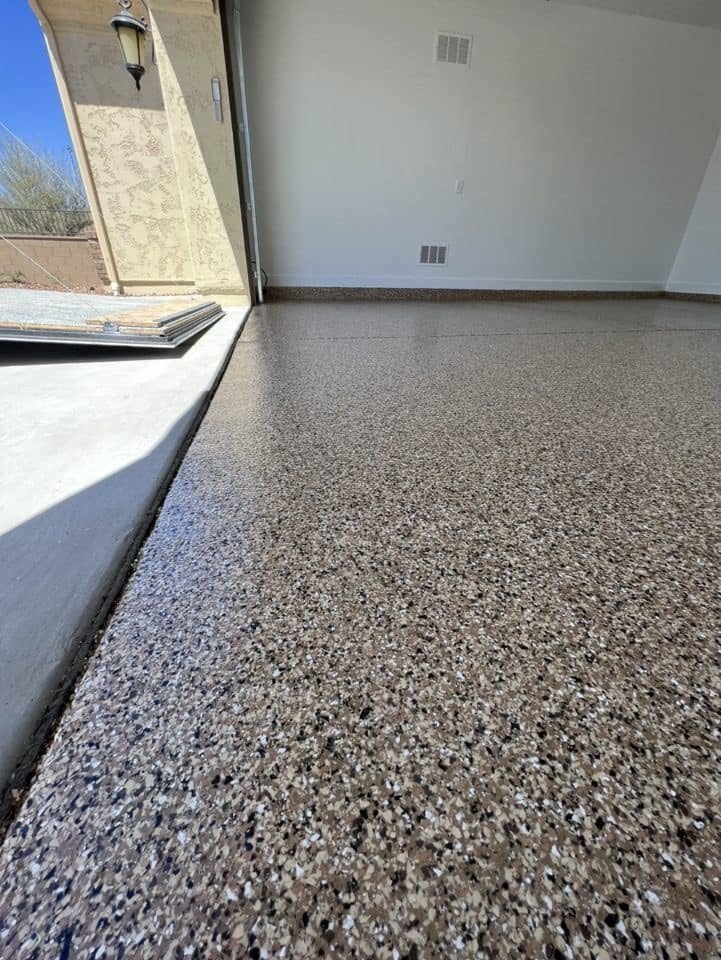
Workshops with welding equipment, table saws, or metalworking tools need a finish built for serious wear. In these cases, a multi-layer polyaspartic system with a broadcast flake or quartz aggregate adds extra texture and impact resistance. The added texture also improves slip resistance, which matters when metal shavings, sawdust, or liquids end up on the floor.
For workshops that handle less intensive projects—woodworking, general repairs, or hobby crafts—a simpler epoxy or polyaspartic topcoat without aggregate may be sufficient, saving on both material and labor costs.
Making the right choice for your workshop
Every home workshop has different demands, and the right floor coating depends on how the space gets used day to day. A weekend hobbyist has different needs than someone running power tools and heavy machinery daily. What stays consistent across every scenario is the importance of proper surface prep and quality materials.
Homeowners considering an upgrade should start by assessing how the garage gets used, what kind of foot and vehicle traffic it sees, and whether chemical or impact resistance is a top priority. From there, consulting with an experienced local contractor can help match the right coating system to the space—one that holds up for years, not just months.
Frequently Asked Questions
How long does a garage floor coating last?
A professionally installed polyaspartic or epoxy coating typically lasts 10 to 20 years with proper maintenance, while DIY kits often need reapplication within 1 to 3 years.
Can I coat my garage floor myself, or should I hire a contractor?
DIY kits are available, but they often skip critical surface prep steps like grinding and moisture testing. Hiring a professional garage floor coating contractor reduces the risk of peeling, bubbling, or premature failure.
Will a garage floor coating help with hot Alabama summers?
Yes. Polyaspartic coatings resist UV yellowing and hold up well under heat, making them a strong choice for garages exposed to direct sunlight or high humidity.
What's the biggest mistake homeowners make with garage floor coatings?
Skipping proper surface preparation is the most common issue. Applying a coating over dirty, sealed, or moisture-affected concrete almost always leads to early failure.
Is epoxy or polyaspartic better for resale value?
Both improve a garage's appearance and functionality, but polyaspartic's added durability and faster cure time often make it the preferred choice for homeowners looking to maximize long-term value.